Fabric seats and stains
Spills sink below the surface of the fabric and into the foam. Wiping the top cleans the surface for a day, then the stain wicks back up. Proper seat cleaning pre treats the fabric, loosens the dirt and draws it out rather than spreading it around.
The stains we see most are coffee and tea, fizzy drinks, food, children's car seat marks, mud and the darker patches on a driver's seat from daily use. Most come out completely. Some old stains can only be lightened, and we'll tell you before we start.
Carpets, mats, boot and roof lining
Carpets take the worst of it, with mud and grit ground in by shoes. Boot linings collect spills from shopping and sports kit. Roof linings get marked by hands and heads.
Roof linings are glued to the roof panel. Too much moisture can loosen the glue and make the lining sag, so they are cleaned gently with very little liquid.
Leather: clean first, then condition
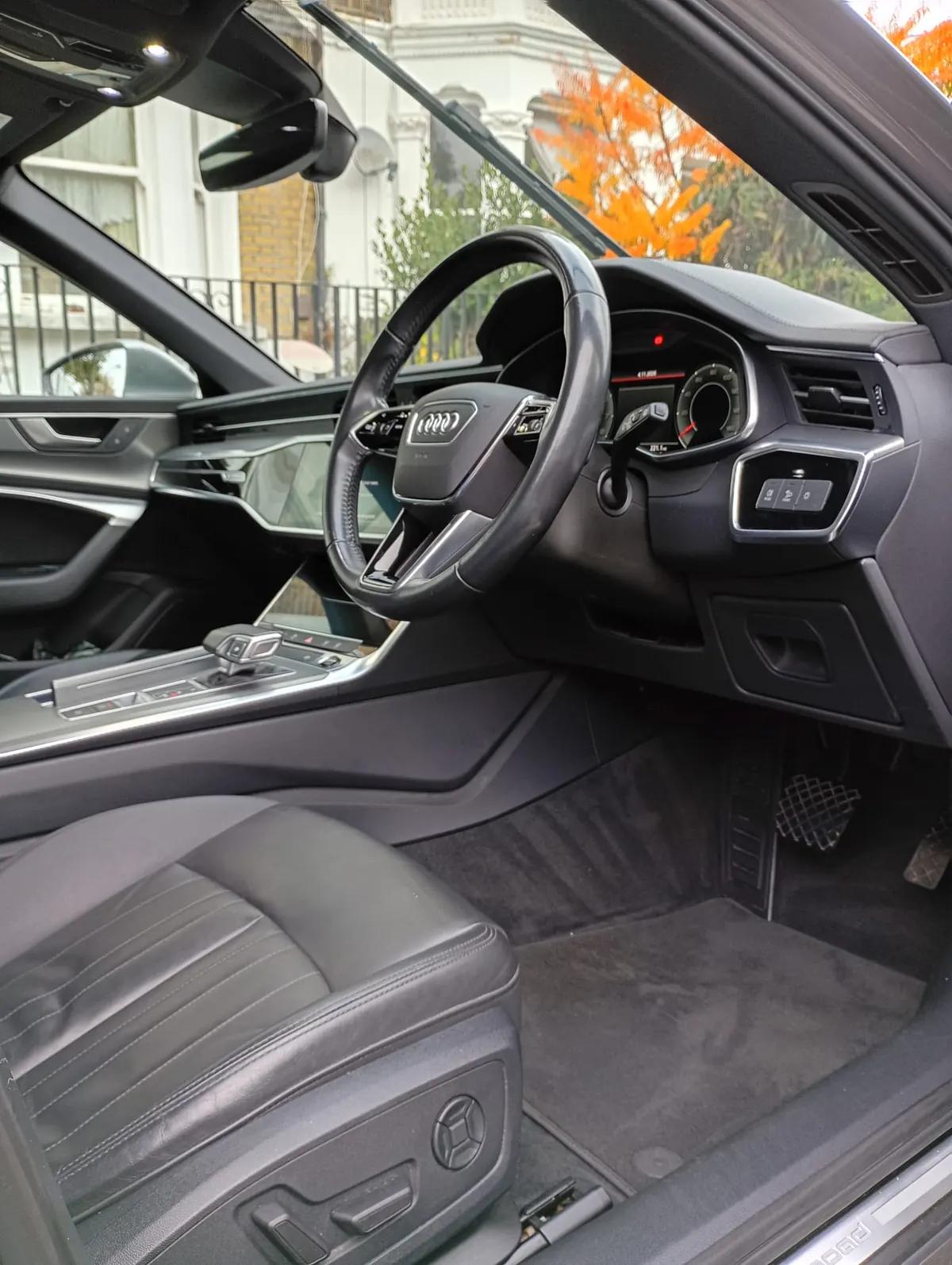
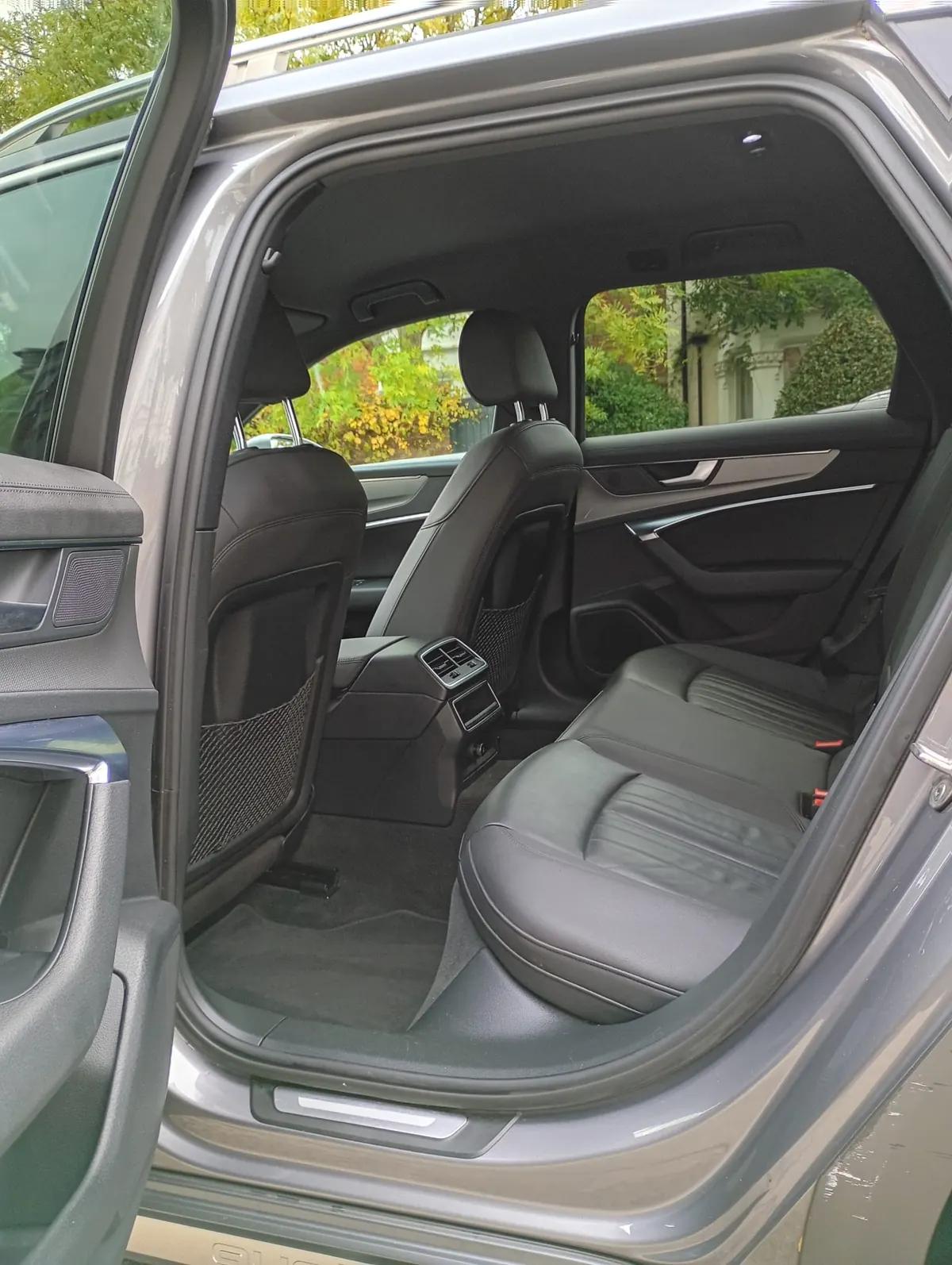
Leather seats look shiny when they are dirty, not when they are clean. Body oils and dirt build up into a glaze that wears the surface and leads to cracking. The leather is cleaned with a soft brush and a leather safe cleaner to lift dirt out of the grain, wiped, then conditioned so it stays supple with a natural low sheen.
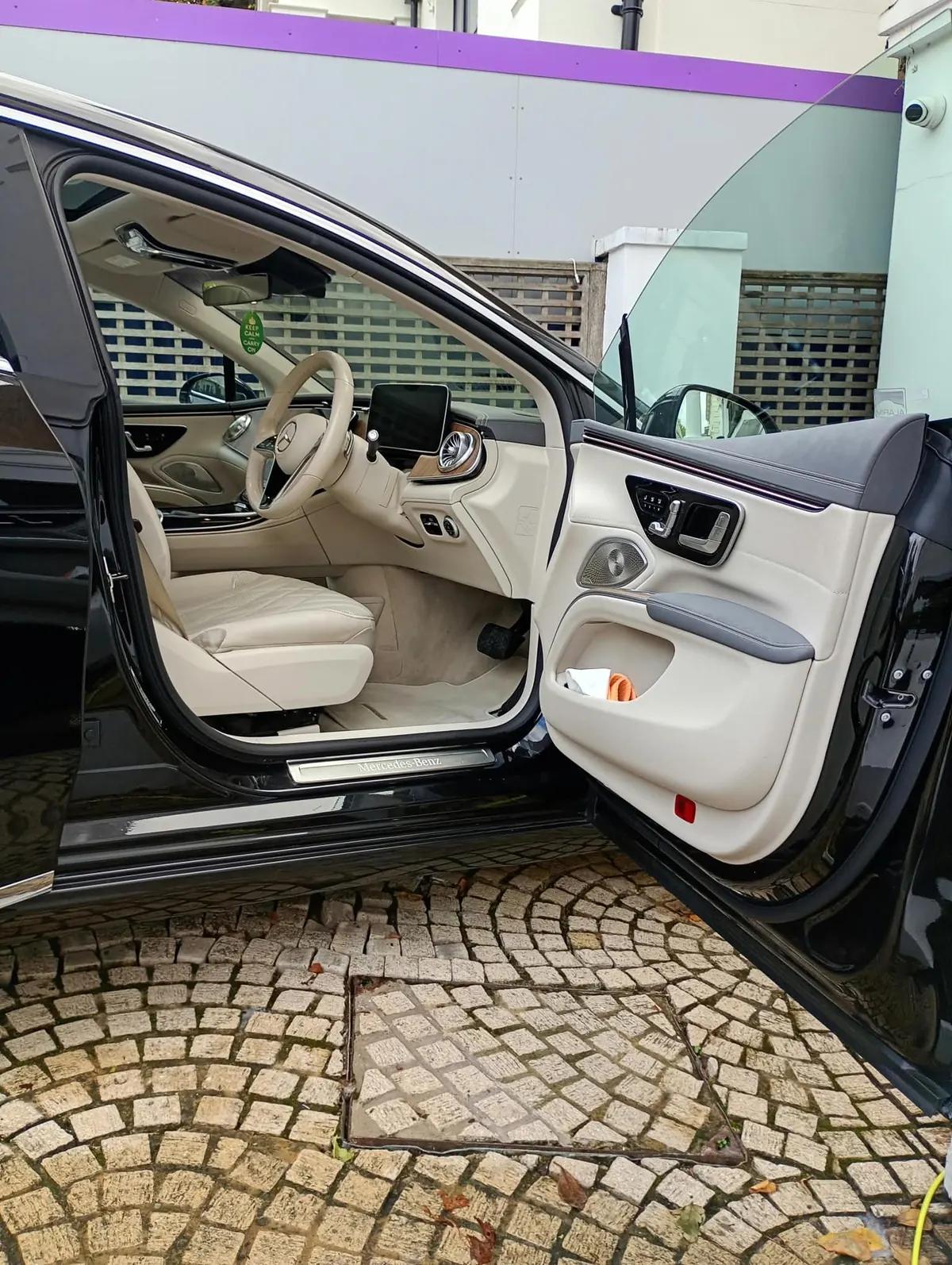
Cream and grey leather shows denim dye transfer quickly. Regular cleaning stops the dye from setting into the finish.
Why household products do more harm than good
Washing up liquid and general cleaners strip the natural oils and finish from leather, so it looks clean for a day and then dries out. On fabric they leave a residue that attracts dirt, so the seat gets grubby again faster. Each material gets a product made for it.
Drying
Fabric is left damp rather than wet. Leaving the windows slightly open or running the heater helps it finish drying. Leather is wiped dry and can be used straight away.
Background: Upholstery, Leather on Wikipedia.